

Metal & Steel Buildings in Washington
The 2021 code editions and amendments took effect on March 15, 2024. A coastal site and a Spokane site do not share the same climate.
West of the Cascades, the question is rain. East of them, it's snow. Quillayute averages more than 100 inches of precipitation a year, and Spokane averages about 45 inches of snow. The code is statewide: the official State Building Code Council home page lists "2021 Code Editions and Amendments Effective March 15, 2024." Your site is what changes.
Here's what changes across Washington, where to check the rules for your property, and how to get a quote for an installed steel building.
Planning a shop, garage, or farm building in Washington? Want to know what your city or county will ask for before you spend money? Start with the two free tools below, then get a quote.
The 2021 state codes took effect on March 15, 2024
The official Washington State Building Code Council home page includes the line "2021 Code Editions and Amendments Effective March 15, 2024," which links to the Council's State Building Code page. The Council also lists a 2024 code adoption cycle, so ask the office that covers your property whether any later edition, or any emergency rule, now applies to your permit.
Local building departments still run the permit desk under the state code. Confirm what they want in the set, including energy-code items that often travel with the structural review in Washington.
What this means for you: Look up the office that covers your parcel with the permit finder, then ask which edition they are using, what they want in the permit set, and whether any energy or wildfire-interface rules apply to your site. Bring a clear site plan. We provide engineered drawings for your permit application.
200+ projects · $4.5M+ in building sales · 5-star customer reviews
What our customers say
“Jake made it very easy to design our garage. Communication has been great.”
“Worked with Jake on the design and the build came out exactly how I wanted it.”
“Jake did a great job and was very patient with all my questions. I would recommend him to any one looking for a new building.”
“Update; all 3 carports exceeded my expectations, the crew that installed them was efficient and top notch…very happy customer.. …”
“He was up front and took the time to explain the process, gave me advice in working with the city regarding permits and cement and treated me with friendly respect instead of focusing on purely making a sale.”
“Helpful and knew what they were talking about.No B S. Can't wait to see it on my property.Thanks Jake.”
Wind, snow, and frost: one state, very different loads
There's no honest single wind or snow number for all of Washington, and you should be wary of any page that gives you one. Your building's design loads come from your exact address.
- Wind and snow for your address: the free ASCE Hazard Tool looks up site-specific wind and snow values under ASCE 7. Your engineered drawings and your local office have the final word.
- Frost depth and footing rules: set locally. Ask the office that covers your property.
- Climate, by the numbers. NOAA's 1991–2020 climate normals show how far apart Washington regions are:
| NOAA station (1991–2020 normals) | December average low | Average annual snowfall | Average annual rainfall |
|---|---|---|---|
| Quillayute | 35.3°F | — | 101.32 in |
| Seattle–Tacoma | 37.1°F | 6.3 in | 39.34 in |
| Olympia | 32.8°F | 3.9 in | 50.62 in |
| Spokane | 24.3°F | 45.4 in | 16.45 in |
Source: NOAA NCEI U.S. Climate Normals, 1991–2020 (monthly and annual normals for stations USW00094240, USW00024233, USW00024227, USW00024157. A dash means the annual snow normal was not published for that station in this dataset; it is not a zero; data pulled Nov 16, 2026; data pulled Nov 16, 2026).
What this means for you:
- The coast (Quillayute) is extremely wet, averaging 101.32 inches of precipitation a year, with a December average low of 35.3°F. Drainage, slab height, and condensation control are first-order issues. See why metal roofs drip and how to stop it.
- The Puget Sound lowlands (Seattle–Tacoma, Olympia) are still wet-winter climates, with about 39 to 51 inches of precipitation and a modest snow total at Sea–Tac (6.3 in). Winter pours need planning around cold snaps and standing water.
- Eastern Washington (Spokane) is a different climate: a December average low of 24.3°F, about 45.4 inches of snow a year, and only 16.45 inches of precipitation. Do not use a west-side snow assumption there. See pole barn or metal building in snow country.
- There is no honest single wind or snow number for all of Washington. Look up your address with the ASCE Hazard Tool — it reports wind, snow, and seismic values — and confirm with the office. The seismic design for your site comes from your exact address, so confirm it with the office.
Sizes Washington buyers price most
30x40 is the classic two-to-three-bay garage or working shop. 40x60 is a full shop with room for equipment, a lift, or a small business.
- 30x40: see what a 30x40 metal garage really costs, with and without concrete.
- 40x60: see CMU block vs prefab steel for a 40x60 home shop.
We don't publish one price for Washington, because a fair price depends on your size, doors, site, and the wind and snow loads at your address. Use the steel building cost guide to see what drives price, and why metal building prices are all over the place to spot the costs other quotes leave out.
High wind? Frame type matters
Coast, gorge, and mountain-pass sites can be a different wind and snow conversation than a sheltered valley. Ask what your building is drawn for, look it up with the ASCE tool, and confirm with the office. For frame choices, read red iron vs tubular steel in high-wind areas and honest shop estimate: tube vs I-beam.
Steel building or pole barn in Washington?
Plenty of Washington buyers price both. Compare them side by side in tube metal building vs pole barn, why steel buildings are now cheaper than pole barns, and the steel buildings vs pole barns guide.
How your quote works
- Tell us what you're building: size, use, doors, and your ZIP. We serve almost all of the lower 48 states, and a specialist confirms your ZIP.
- A building specialist reviews it. You get a quote within 24 hours of sending your project details. Once your order is accepted, your quote is your price.
- We send engineered drawings for your permit, and we give you everything you need for it.
- You (or your contractor) pull the permit and prep the site. Your concrete crew pours the slab to our drawings.
- We deliver and install your building. We sell installed buildings, not kits (installed vs DIY).
30-day deposit defense: cancel within 30 days of signing and we refund your deposit, subject to our Terms.†
Our building specialists bring over $4.5 million in sales and 200+ projects behind them.
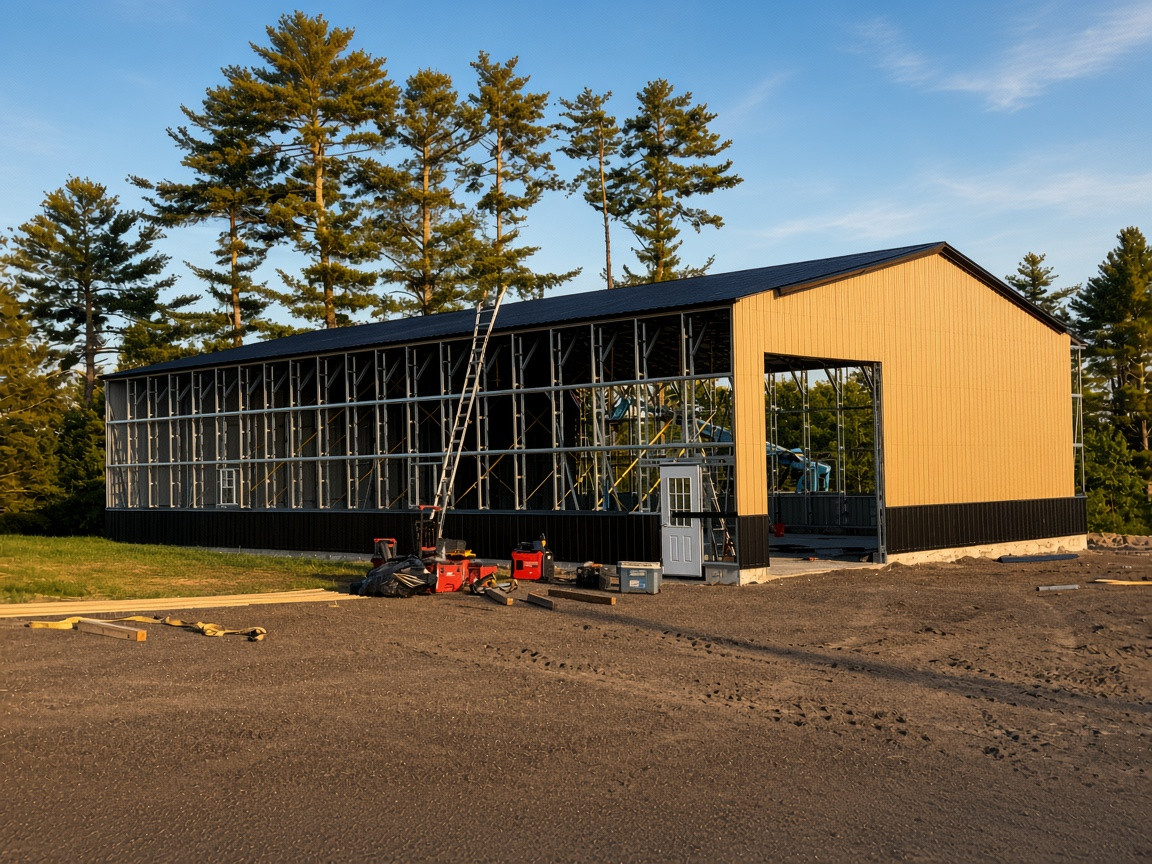
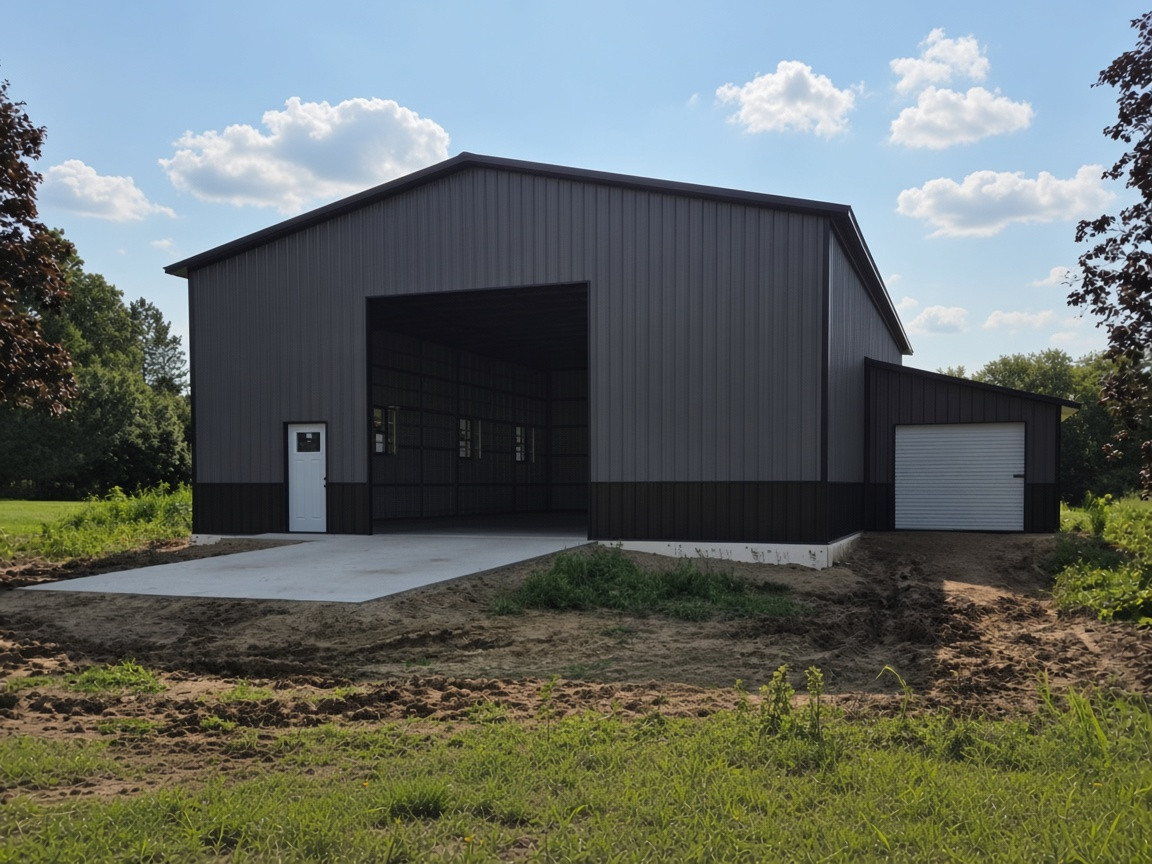
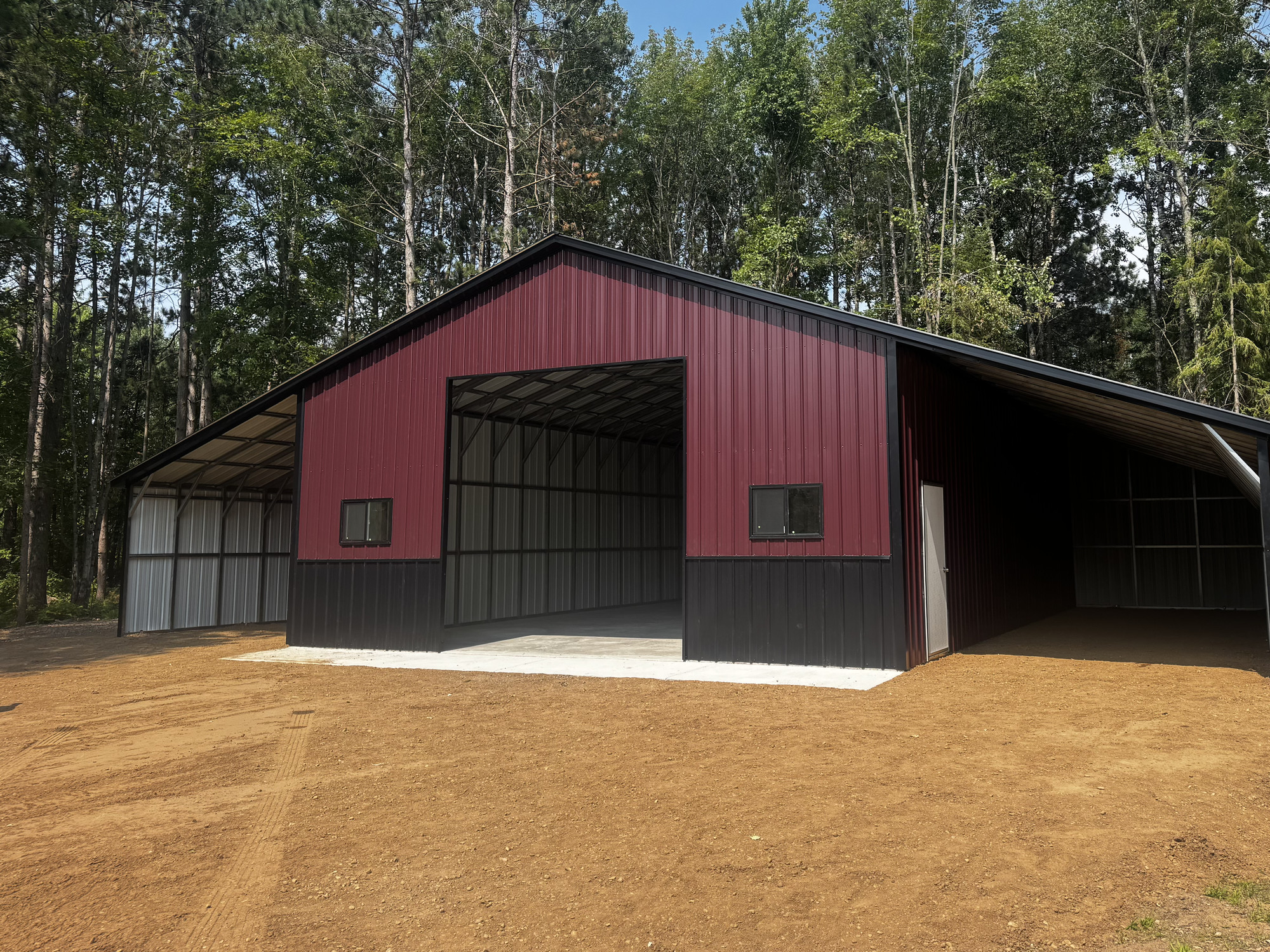
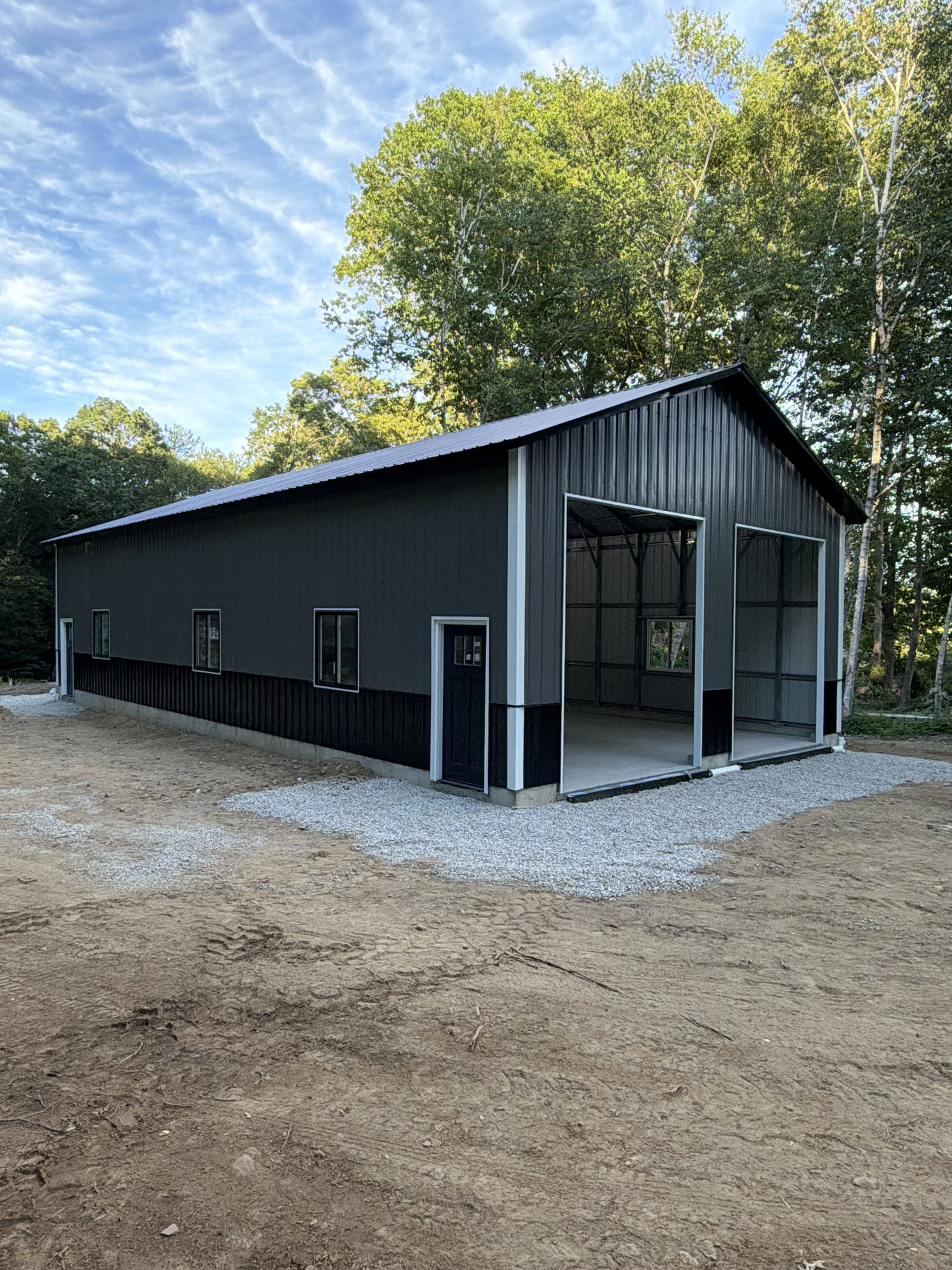
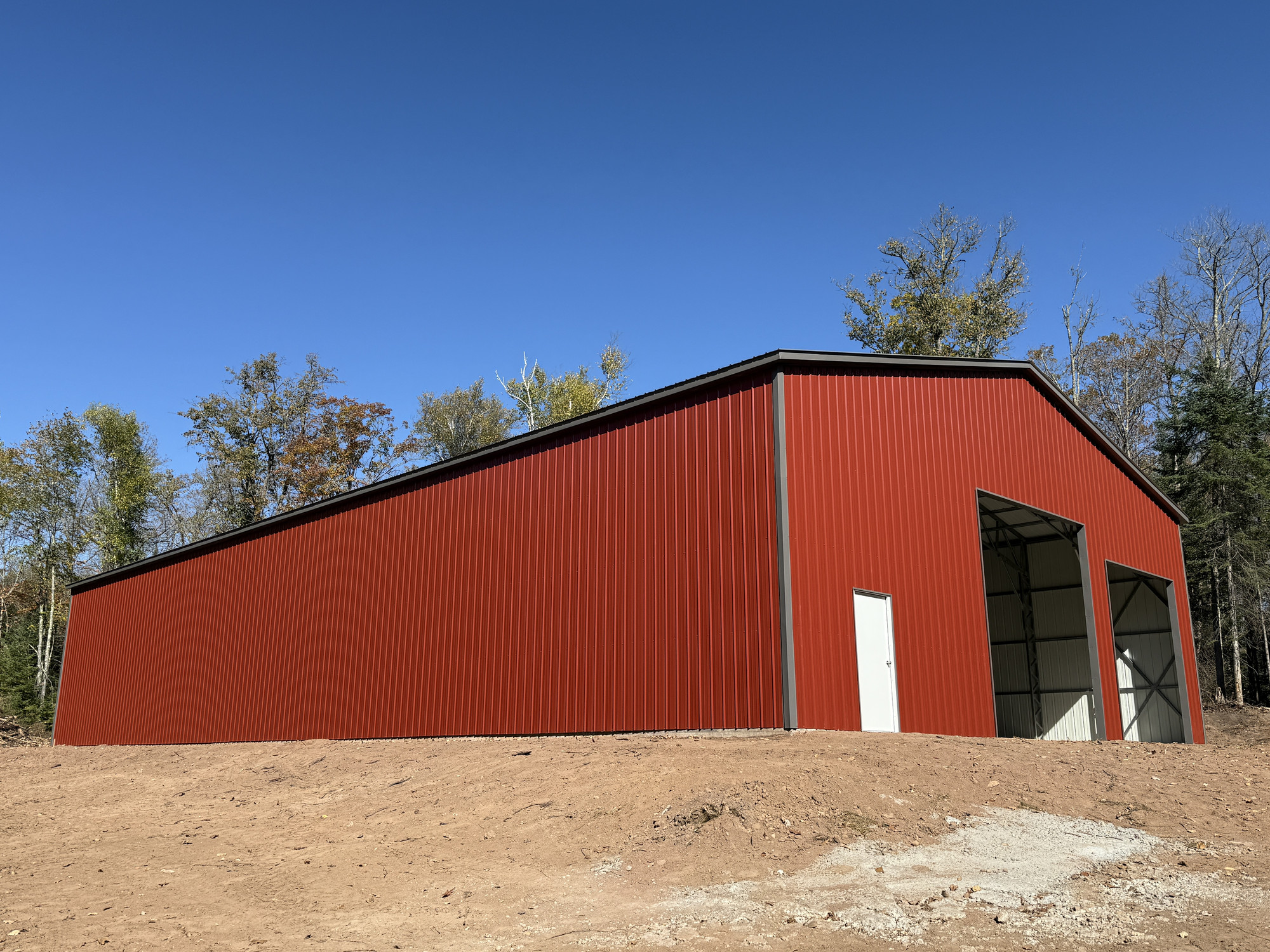
Recent builds
Real projects. Real steel.
Before you sign anything
Ask any seller the same questions, including us. Use how to choose a metal building company, how to buy a metal building safely, why installs take so long, and what buyers of prefab garages wish they'd known.
Get your Washington steel building quote. Quotes within 24 hours.
Tell us the size, how you'll use it, and your ZIP. Once your order is accepted, your quote is your price.
Frequently asked questions
How much does a metal building cost in Washington?
It depends on size, frame, doors, site work, and the wind and snow loads at your address, which change from the wet coast to Spokane. Our steel building cost guide explains what moves the price, and a quote for your exact building comes within 24 hours of sending your project details.
What does a 40x60 metal building cost in Washington?
A 40x60 price swings with wall height, doors, insulation, concrete, and the design loads for your site. Tell us your ZIP and how you'll use it, and we'll quote that building. See hidden costs before you compare numbers.
Do I need a permit for a metal building in Washington?
Often, yes. The official Council home page lists the 2021 code editions and amendments as effective March 15, 2024 (SBCC), and the local office runs the permit desk. Use the permit finder and ask before you order. See do you need a permit for a metal garage on a slab?
What wind and snow load does my Washington building need?
It depends on your address. A coastal site and a Spokane site are not interchangeable. Look it up for free with the ASCE Hazard Tool, then confirm with your local office and your engineered drawings.
Can I build a metal building in Washington in winter?
On the west side, sometimes, with rain as the bigger problem than deep cold: Seattle–Tacoma's December average low is 37.1°F. Spokane averages 24.3°F and about 45.4 inches of snow a year (NOAA normals). Eastern pours take real freeze planning. Your concrete contractor decides pour days.
(No state-specific Google autocomplete was in the Nov 15, 2026 Dreamy capture for Washington. The permit, load, and winter questions mirror the permit finder's existing FAQ themes. No search volumes used.)