Cost & pricing · 4 min read
How to Get an Honest Estimate on a Metal Shop (Tube Frame vs I-Beam)
Getting an honest metal shop estimate: the line items to compare, why tube steel meets the same loads as I-beam, and the misleading quotes we often see.

Part of the Steel Building Cost and Pricing Guide
Quick answers
- Is I-beam really "way better" than tube steel?
- That's the most common thing customers hear, and it isn't the right way to look at it. These buildings are designed by an engineer. More
- Why are some estimates impossible to trust?
- Because of who's quoting them. If the person quoting you is only trying to fit you into a certain budget, an honest estimate is impossible. More
- What should you compare between two shop estimates?
- Ignore the bottom line at first. Put the quotes side by side and check: More
- Why won't some dealers give a quick ballpark?
- We'll be honest about this one. When someone wants a number before they've decided on size, we generally try not to get stuck there, and if they insist we'll give whatever comes to mind. More
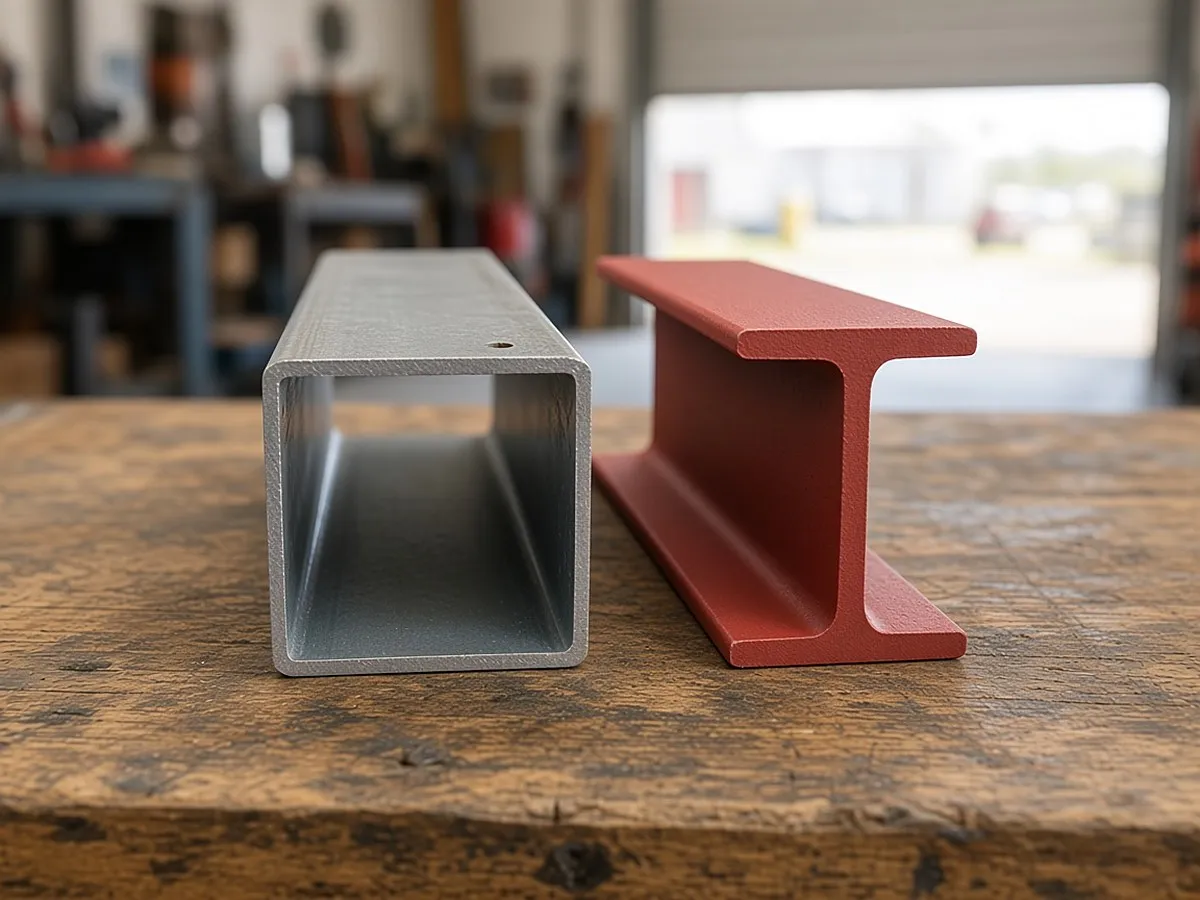
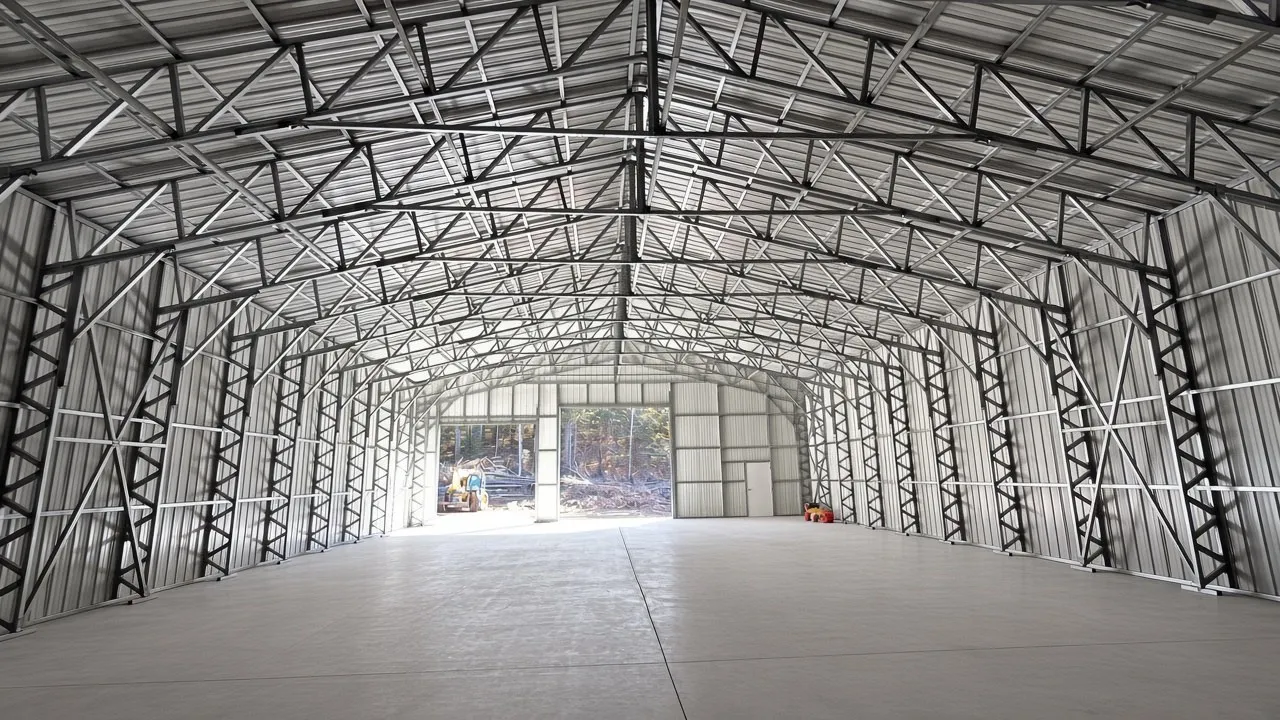
An honest estimate is one you can compare line by line with another quote for the same building. That means the same walls, snow load, gauge, paneling, doors, roof pitch and height. On tube versus I-beam: our tube steel buildings are structurally engineered and meet the same wind and snow load requirements as a red iron building. Choosing between them comes down to what you want and how you'll use the building.
A buyer on r/barndominiums summed up the frustration: "There are so many sales tactics when it comes to getting a bid for a metal shop." Here's how to cut through them.
Is I-beam really "way better" than tube steel?
That's the most common thing customers hear, and it isn't the right way to look at it. These buildings are designed by an engineer. Our tube steel buildings are rated for the same wind and snow loads that a red iron building meets.
We don't have a size or height cutoff where tube stops working, because we can do every size. The real question is what you want and what you're going to use the building for. Start there, not with the frame type.
Why are some estimates impossible to trust?
Because of who's quoting them. If the person quoting you is only trying to fit you into a certain budget, an honest estimate is impossible. They'll quote whatever version of the building hits the number, and leave out whatever doesn't fit.
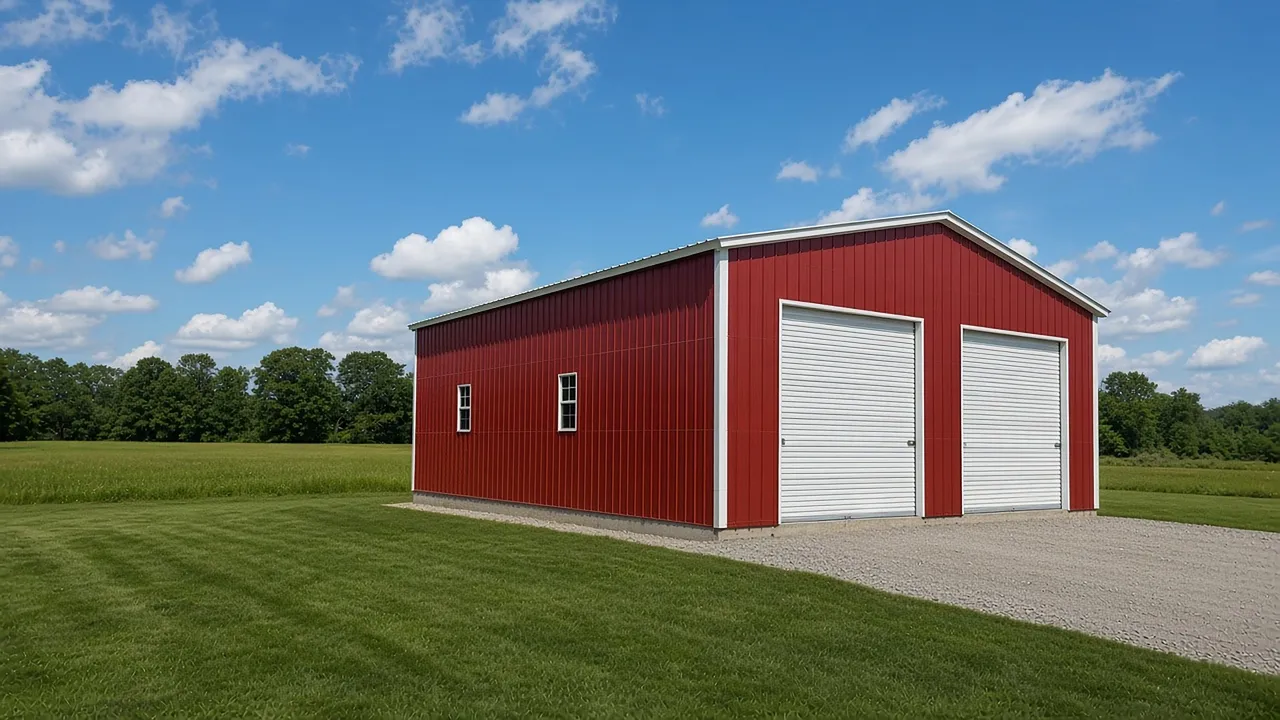
The most misleading quotes we see do two things. They rate the building incorrectly, and they swap in cheaper construction: horizontal walls instead of vertical, and 14-gauge steel instead of 12. The headline price looks great. The building isn't the same one.
What should you compare between two shop estimates?
Ignore the bottom line at first. Put the quotes side by side and check:
- Walls: vertical or horizontal?
- Snow load: is it the same on both?
- Steel gauge: for example, 14 gauge or 12 gauge?
- Paneling: the same?
- Door sizes: the same?
- Roof pitch: does one have a different pitch?
- Height: is one building a foot taller than the other?
If any of those differ, you don't have two prices for the same building. You have two different buildings. Make them match before you compare cost.
| Check | Quote A | Quote B | Same? |
|---|---|---|---|
| Walls (vertical or horizontal) | |||
| Snow load | |||
| Steel gauge (14 or 12) | |||
| Paneling | |||
| Door sizes | |||
| Roof pitch | |||
| Height |
Fill in both columns before you look at either total.
Why won't some dealers give a quick ballpark?
We'll be honest about this one. When someone wants a number before they've decided on size, we generally try not to get stuck there, and if they insist we'll give whatever comes to mind. A number pulled out of the air isn't worth much to you or to us.
What is worth something is a real quote on a real design. Once you know roughly what you want, we put together your quote. Once your order is accepted, your quote is your price. We explain everything before you sign, so you know what's in the price and what isn't. The one exception is a site that needs site-specific engineered drawings: when those come back, the materials can change, and we tell you that up front.
What makes the biggest difference in a shop's price?
On our buildings, leg height changes the price the most, and insulation is the other big lever. Choose those based on how you'll use the shop:
- Height: People always wish they'd gone bigger. A tall shop is hard to regret.
- Insulation: The double bubble insulation we offer is for condensation control. Venting and roof insulation greatly reduce condensation, but there's always some temperature difference between inside and outside, so plan to vent. If you want a climate-controlled workspace, or employees working inside, spray foam is the recommendation.
- Gauge: We always steer people to the thicker gauge, because it costs little relative to the price of the building.
How do we quote differently?
A lot of this industry advertises the cheapest options to get you to a magic number. We do the opposite. We go through every detail and we show you the upgrades, because you'll be looking at this building for the next 20 years.
If taking $10,000 off makes sense by cutting a few upgrades, we'll tell you which ones. You'll always know what you're giving up.
The bottom line
Don't let anyone sell you a frame type before they understand your shop. Get two quotes for the same building, compare them line by line, and pick the one that's honest about what's in it.
 The full guideSteel Building Cost and Pricing GuideWhy metal building prices disagree, what an installed quote actually covers, and how to budget a 30x40 or 40x60 shop — including the slab. U.S. installed buildings only.