Insulation & condensation · 3 min read
Why Is My Metal Building Roof Dripping? Fixing Condensation
Metal buildings trap hot air, and a dripping roof is usually condensation. Vent the space, use double-bubble insulation, and close panel gaps with foam strips.
Part of the Site Prep, Concrete Slab, and Permitting Handbook
Quick answers
- Why Does a Metal Building Roof Drip?
- These buildings trap hot air. Venting and roof insulation greatly reduce condensation, but there's always some temperature difference between inside and outside, so plan to vent. More
- How Do You Plan Condensation Control Before the Building Is Ordered?
- We make sure the customer understands that these buildings trap hot air and that they need to vent it or use our double-bubble insulation. That conversation belongs in the quote, not in a service call after the first cold night. More
- What About Gaps Between the Roof and the Insulation?
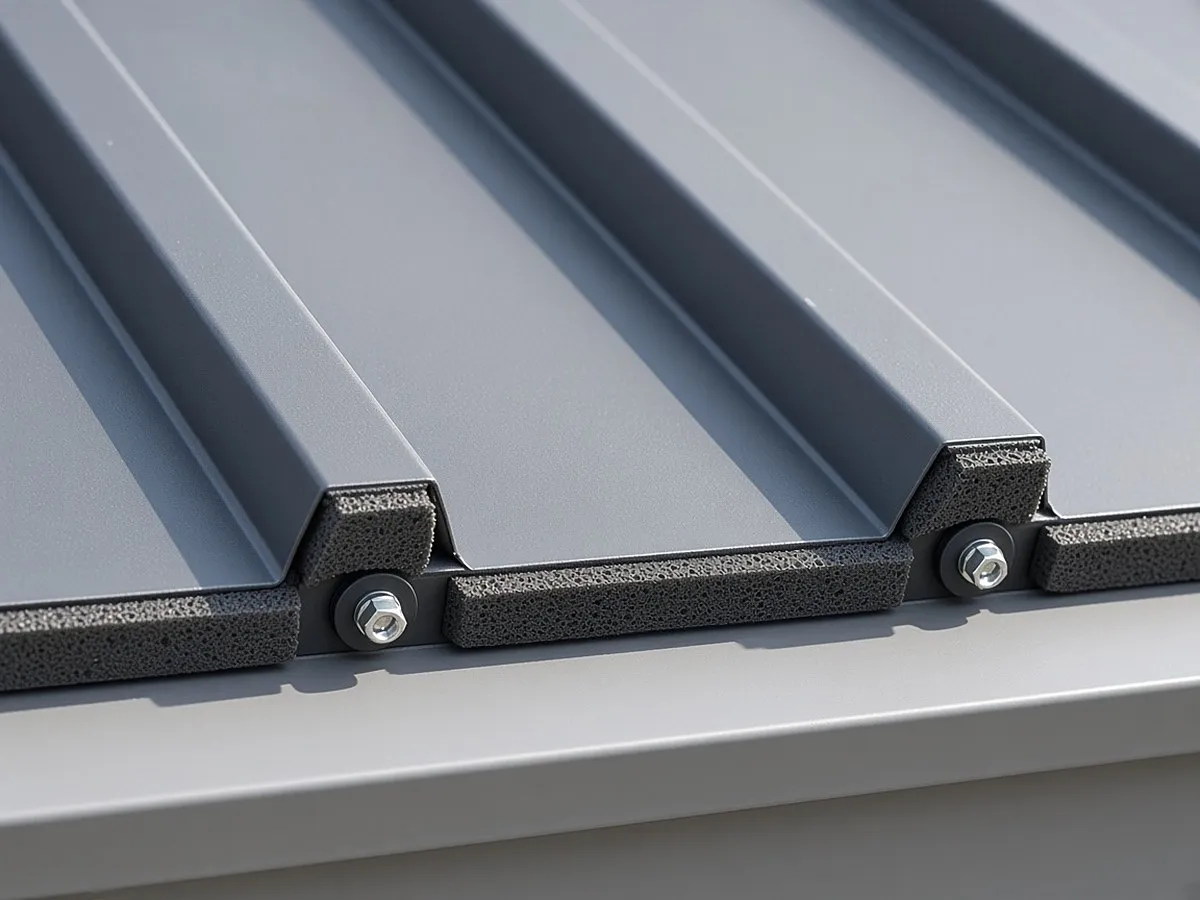
- Gaps are a real path for air and moisture, and they should not be left open. We have foam insulation strips that go in those gaps, and the customer should purchase them. More
- Does Climate Change the Advice?
- It does not. There is always going to be condensation. More
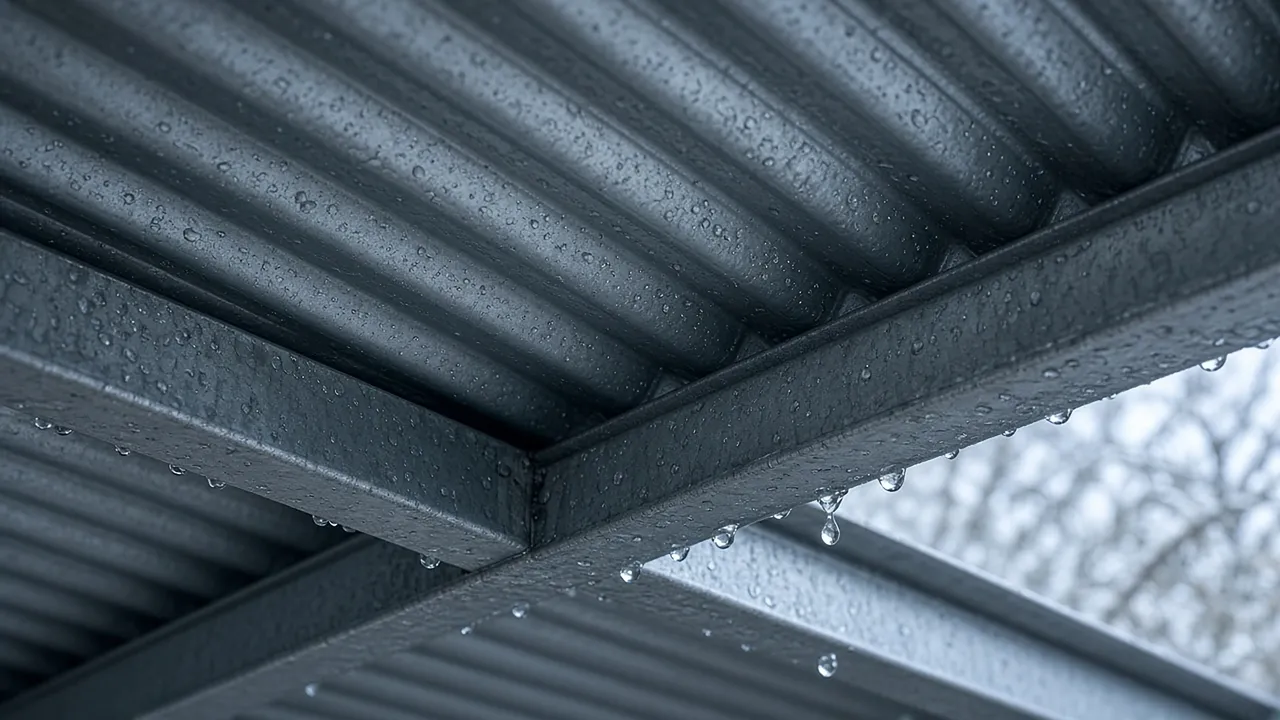
A dripping metal roof is usually condensation, not a leak in the panels. These buildings trap hot air, and when that air cannot get out, the building sweats. Venting and roof insulation greatly reduce condensation, but there's always some temperature difference between inside and outside, so plan to vent. We plan for this at the quote stage: the building needs to be vented, and the double-bubble insulation we offer reflects heat out of the building. For the gaps along the panels, we have foam insulation strips the customer should purchase. Climate does not change that advice. There is always going to be a temperature difference between the inside of the building and the outside, and there is always going to be condensation to deal with.
The hard way to learn this is after the building is up. The easy way is to plan venting and insulation before you order.
Why Does a Metal Building Roof Drip?
These buildings trap hot air. Venting and roof insulation greatly reduce condensation, but there's always some temperature difference between inside and outside, so plan to vent. When it is not vented, moisture in the air hits a cold roof and shows up as dripping.
Owners often think the roof is leaking. Sometimes they look at a gap between the roof and the insulation and assume the gap is the whole problem. A thread on r/metalbuildings asked whether a gap between the metal roof and the insulation meant the dripping would never stop. The specific setup in that thread is the poster's. What we can tell you is the cause we see over and over: trapped hot air, a temperature difference, and no plan for condensation.
There is always going to be condensation to think about, because there is always going to be a temperature change between the inside of the building and the outside. That is true in a mild climate and it is true in a harsh one. The advice does not change from one customer to the next: vent the building, and use insulation that is meant to help with this problem.
How Do You Plan Condensation Control Before the Building Is Ordered?
We make sure the customer understands that these buildings trap hot air and that they need to vent it or use our double-bubble insulation. That conversation belongs in the quote, not in a service call after the first cold night.
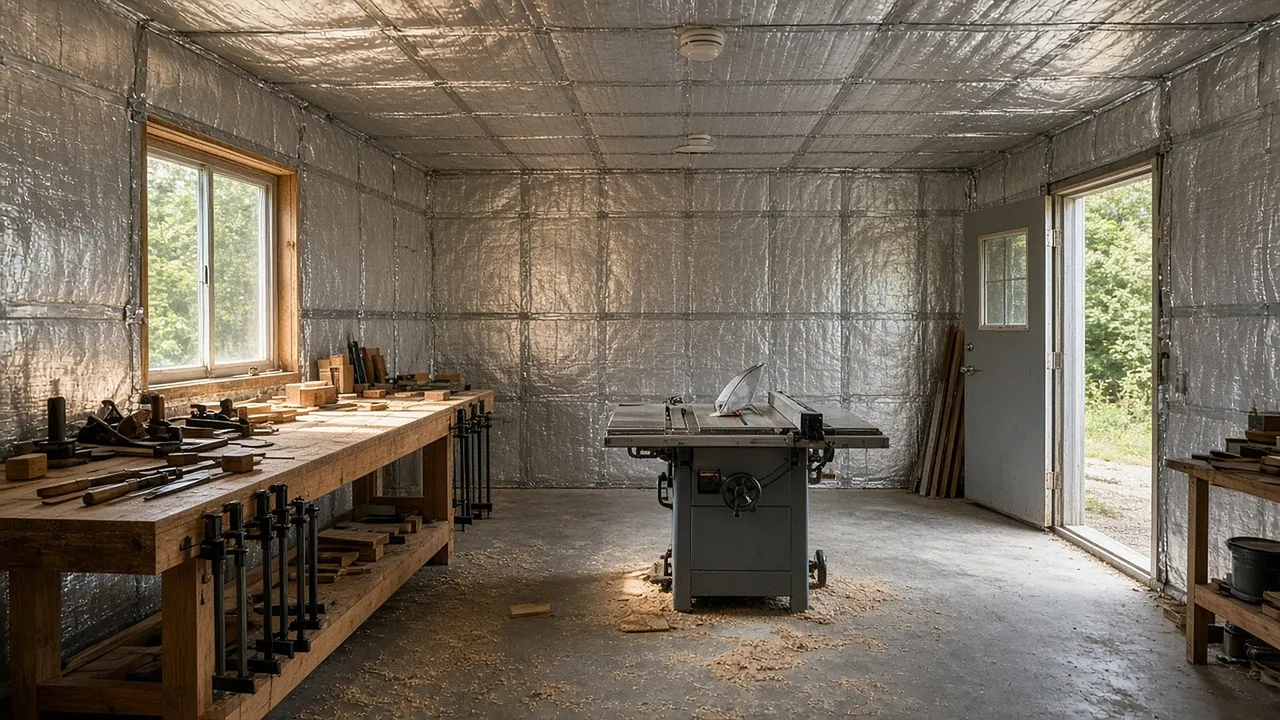
Double-bubble insulation reflects heat out of the building. Combined with proper venting, that is how we greatly reduce sweating. If you skip both, you are leaving condensation to show up on the roof and drip.
This is much easier to do when the order is open than it is to fix after the fact. If you already have a dripping roof, the same principles still apply: get the hot air out, and use the right insulation and gap materials. If you have not ordered yet, put this in the plan now.
What About Gaps Between the Roof and the Insulation?
Gaps are a real path for air and moisture, and they should not be left open. We have foam insulation strips that go in those gaps, and the customer should purchase them. That is the practical fix for the gaps themselves.
Those strips are not a substitute for venting the building, and they are not a substitute for insulation. They close the gaps so the rest of the plan can work. If you have gaps and you only add insulation, or you only add venting and leave the gaps open, you are leaving a path you did not need to leave.
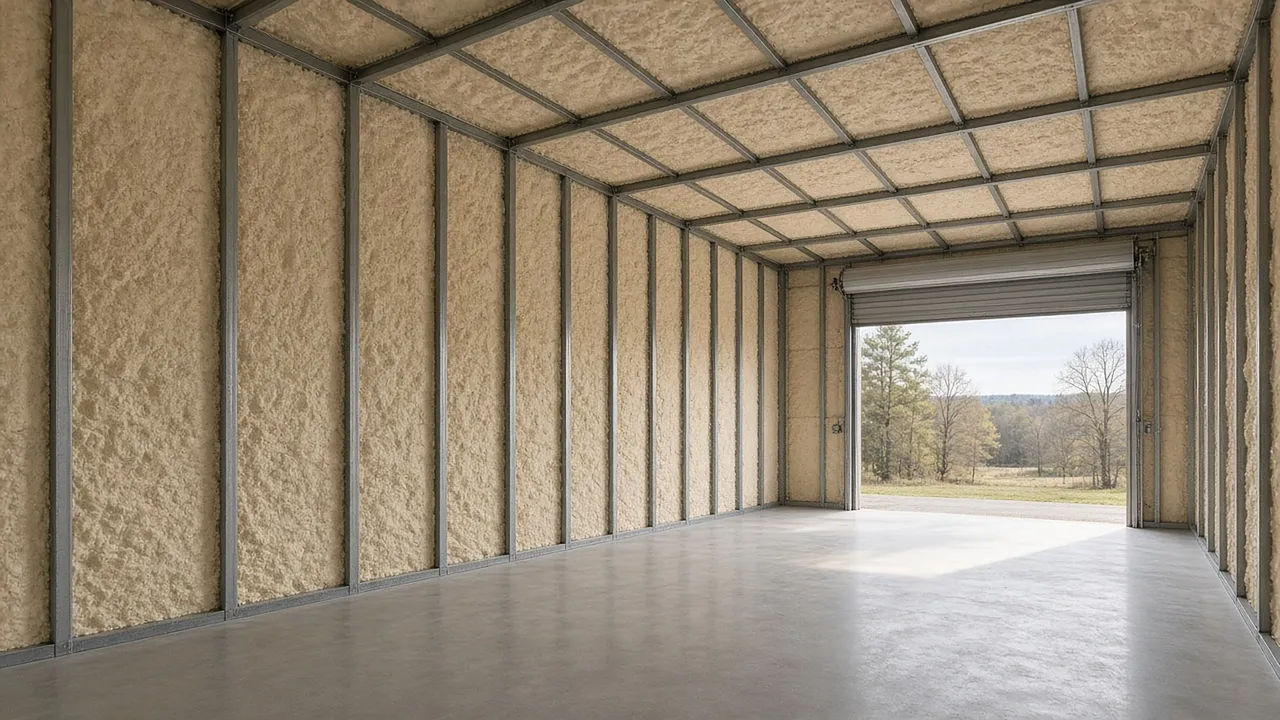
If you already have insulation in place and the gaps are the open issue, start with the foam strips rather than tearing everything out as a first move. Close the gaps, vent the building, and use insulation that is meant to deal with heat and condensation.
Does Climate Change the Advice?
It does not. There is always going to be condensation. There is always going to be a temperature change inside the building and outside of the building. We do not tell a customer in a mild climate that they can ignore this, and we do not tell a customer in a cold climate a different story.
Plan for it once, the same way, wherever the building is going. Vent the hot air. Use the double-bubble insulation we offer when you need a condensation product. Buy the foam strips for the gaps.
If your roof is already dripping, or you want to keep a new building from getting there, tell us how you will use the space. We will put venting, insulation, and the gap strips into the plan before you order.
 The full guideSite Prep, Concrete Slab, and Permitting HandbookHow thick a metal building slab should be, whether you need a permit for a metal garage, and how to prepare the site so an installed steel building can go up on schedule.