Frame, doors & gauge · 3 min read
Red Iron vs Tubular Steel: Is Red Iron Worth It in High-Wind Areas?
Is red iron worth it over tubular steel in high-wind areas? Tube buildings meet the same engineered loads. What matters is the rating, the pad and anchors.
Part of the Steel Buildings vs. Pole Barns
Quick answers
- Does tubular steel hold up as well as red iron?
- When a red iron salesperson tells you tube won't last, our answer is simple: these are structurally engineered buildings, and they meet the same wind and snow load requirements that red iron meets. More
- What wind load rating do you actually need?
- Less than the ads suggest. Advertising very high wind loads is mainly a sales tactic. More
- How do you compare wind ratings on two quotes?
- Compare the rating against what your location actually requires, not against each other. A higher advertised rating doesn't make a better building if you don't need it, and a lower one is a problem only if it falls below your requirement. More
- What happens to tube buildings in big wind events?
- If the pad was done properly and all the requirements for the area were followed, in theory nothing. If the wind load on the building is higher than its rating, the building will be destroyed. More
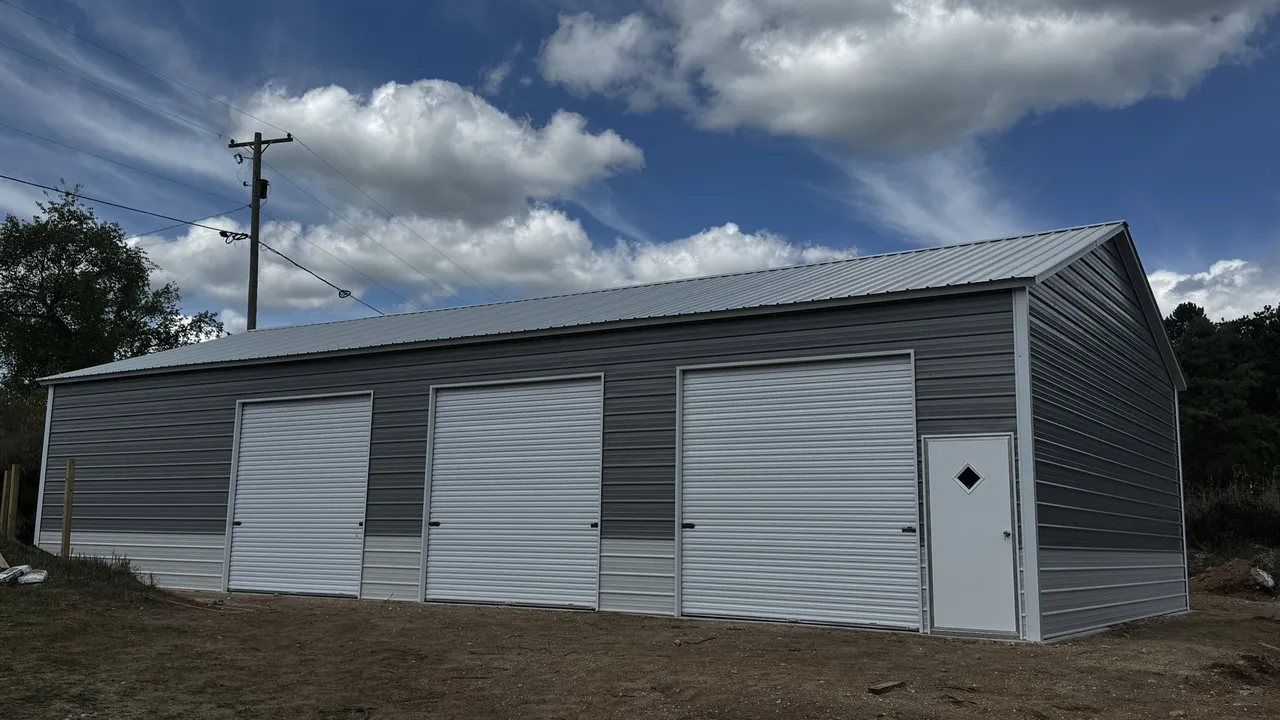
For most buyers, no. Our tubular steel buildings are structurally engineered and meet the same wind and snow load requirements as red iron. In high-wind areas the things that matter are the rating your building is designed to, a proper pad, and anchors installed exactly as the engineer's drawings say. Choose red iron because it fits what you want to build, not because someone told you tube won't last.
A buyer on r/barndominiums was getting conflicting answers: "some say tubular is plenty and the red iron guys are telling me the tubular does not last." Here's how we answer that.
Does tubular steel hold up as well as red iron?
When a red iron salesperson tells you tube won't last, our answer is simple: these are structurally engineered buildings, and they meet the same wind and snow load requirements that red iron meets.
There isn't a height or size where we have to switch you to red iron; we can do every size. These buildings are designed by an engineer, so the question is what you want and what you'll use the building for.
What wind load rating do you actually need?
Less than the ads suggest. Advertising very high wind loads is mainly a sales tactic. In our view, the average person doesn't need a wind load over 92 mph. That's not a universal rating.
Some states need higher ratings. Arizona, Nevada, Florida and California all do, and buildings there use diagonal bracing to keep the structure strong.
We don't guess. The actual rating for your site comes from the engineered drawings for your location. We use the ASCE hazard tool with your ZIP code, which gives us the wind and snow load for your address. That's the number your building should be designed to. Not the biggest number on a flyer.
How do you compare wind ratings on two quotes?
Compare the rating against what your location actually requires, not against each other. A higher advertised rating doesn't make a better building if you don't need it, and a lower one is a problem only if it falls below your requirement.
Then check the rest of the building with the same care: snow load, gauge, wall orientation, leg style. Cheaper quotes often come with a lower snow load rating, or double legs where ladder legs belong at 16 feet.
What happens to tube buildings in big wind events?
If the pad was done properly and all the requirements for the area were followed, in theory nothing. If the wind load on the building is higher than its rating, the building will be destroyed.
That's true of any building, which is why the rating and the installation matter more than the frame type.
| What to check | Where the answer comes from |
|---|---|
| Wind and snow load your site needs | The ASCE hazard tool for your ZIP code, shown on the engineered drawings |
| Whether the quote meets it | The rating on the quote, compared to your site, not to the other quote |
| Snow load, gauge, walls and legs | The same on both quotes (ladder legs where they belong at 16 feet) |
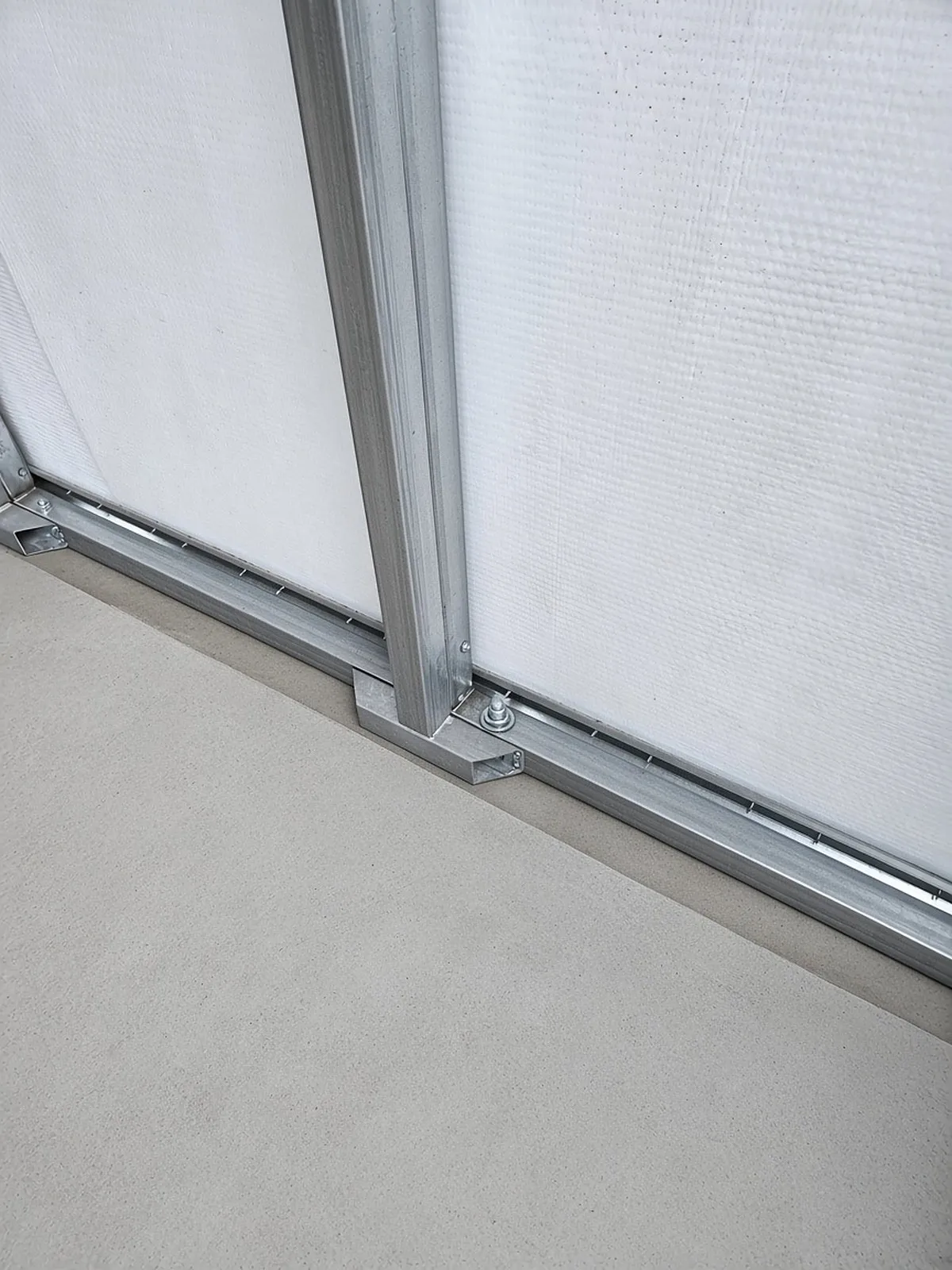
| Anchors | Exactly what the engineer's drawings show; anchors are 8 inches long |
| Concrete | At least a 12x12-inch perimeter, or what the drawings specify |
What anchoring matters most in high-wind areas?
Whatever the engineer has put on the drawings is what has to be done for the anchors. No shortcuts, no substitutions.
The concrete matters just as much. The anchors are 8 inches long and need at least a 12x12-inch concrete perimeter, or whatever the engineer's drawings specify. Some dealers make arrangements with manufacturers to get around this, but the anchor rating only applies if the concrete meets spec. Our crew drills the anchors; your job is to pour the pad to the drawings.
When should you spend more?
If your ZIP code's load is higher than the manufacturer can provide on its standard engineered drawings, we bring in an engineer to design a building that meets it. That's where the extra money should go: meeting a real requirement, not buying a marketing number.
The bottom line
In high-wind areas, red iron isn't automatically worth it, and tube isn't automatically weaker. Get your real wind load, build to it, pour the pad right and anchor it exactly as engineered.
 The full guideSteel Buildings vs. Pole BarnsAn honest comparison of steel buildings and post-frame pole barns for workshops, garages, and ag buildings — including when a pole barn is the better call.