Frame, doors & gauge · 3 min read
Got a Different Gauge Than You Ordered? How to Check Your Metal Building
Check color by eye and the steel thickness with a micrometer against your written order. If something is off, call the person who sold you the building.
Part of the Steel Buildings vs. Pole Barns
Quick answers
- How Can You Check the Steel on Delivery Day?
- Start with what you can see, then measure what you cannot judge by eye. More
- What If the Steel Does Not Match the Order?
- Inform the person that sold it to you. That is the first call, and it should happen as soon as you have a measurement that does not match the paperwork. More
- What Specs Besides Gauge Should You Verify?
- Gauge is the question that brought a lot of buyers to this topic, but it is not the only measurement that can catch a customer off guard. More
- How Long Do You Have to Report a Workmanship Issue?
- Some manufacturers only offer a 30-day workmanship warranty. You need to be looking for leaking within those 30 days and keeping track of it. More
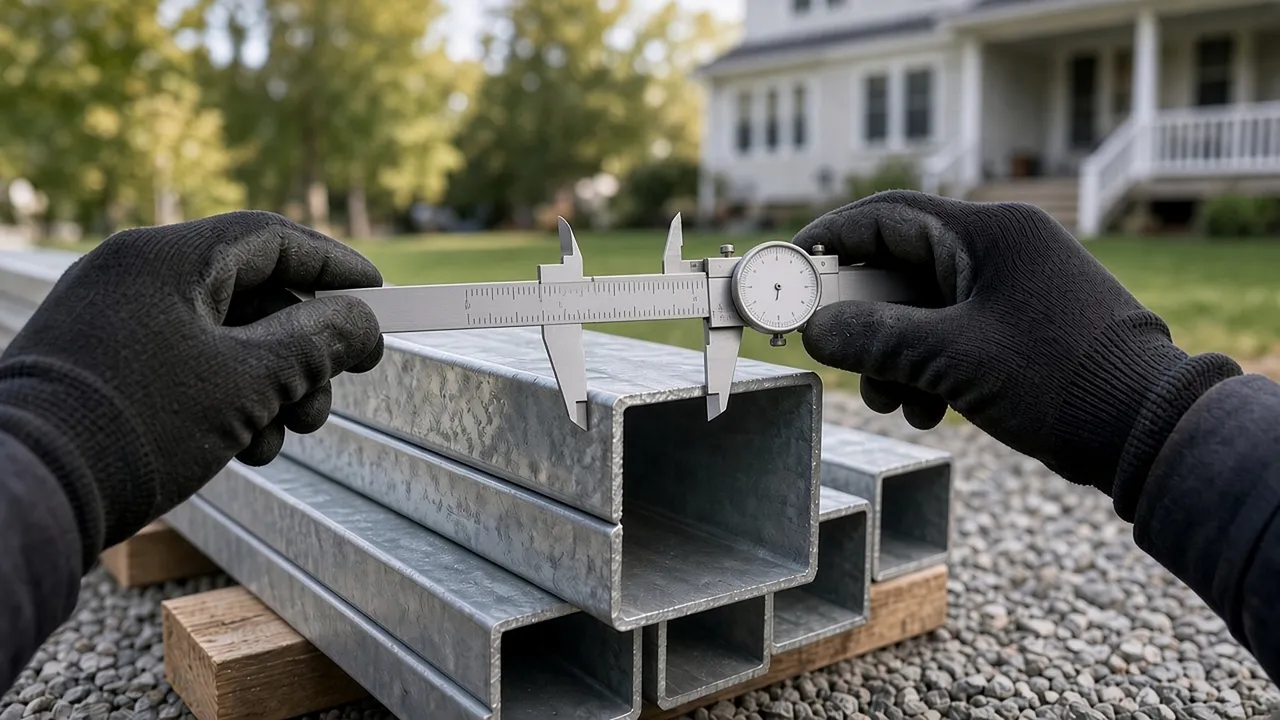
On delivery day, you should be able to check the building against your order. Color is usually obvious because there are not that many color options. For the steel itself, you can use a micrometer to check the thickness of the framing and the panels. If something does not match, inform the person who sold it to you. The entire order should be spelled out in the paperwork so there is no argument later.
A thread on r/metalbuildings asked what to do when a company uses a different gauge than the one that was ordered. The way to have that conversation is to have the specs in writing and a way to measure what arrived.
How Can You Check the Steel on Delivery Day?
Start with what you can see, then measure what you cannot judge by eye.
There are not that many color options, so color is rather obvious once the building is on site. If the order called for a particular color and a different color shows up, you will know it.
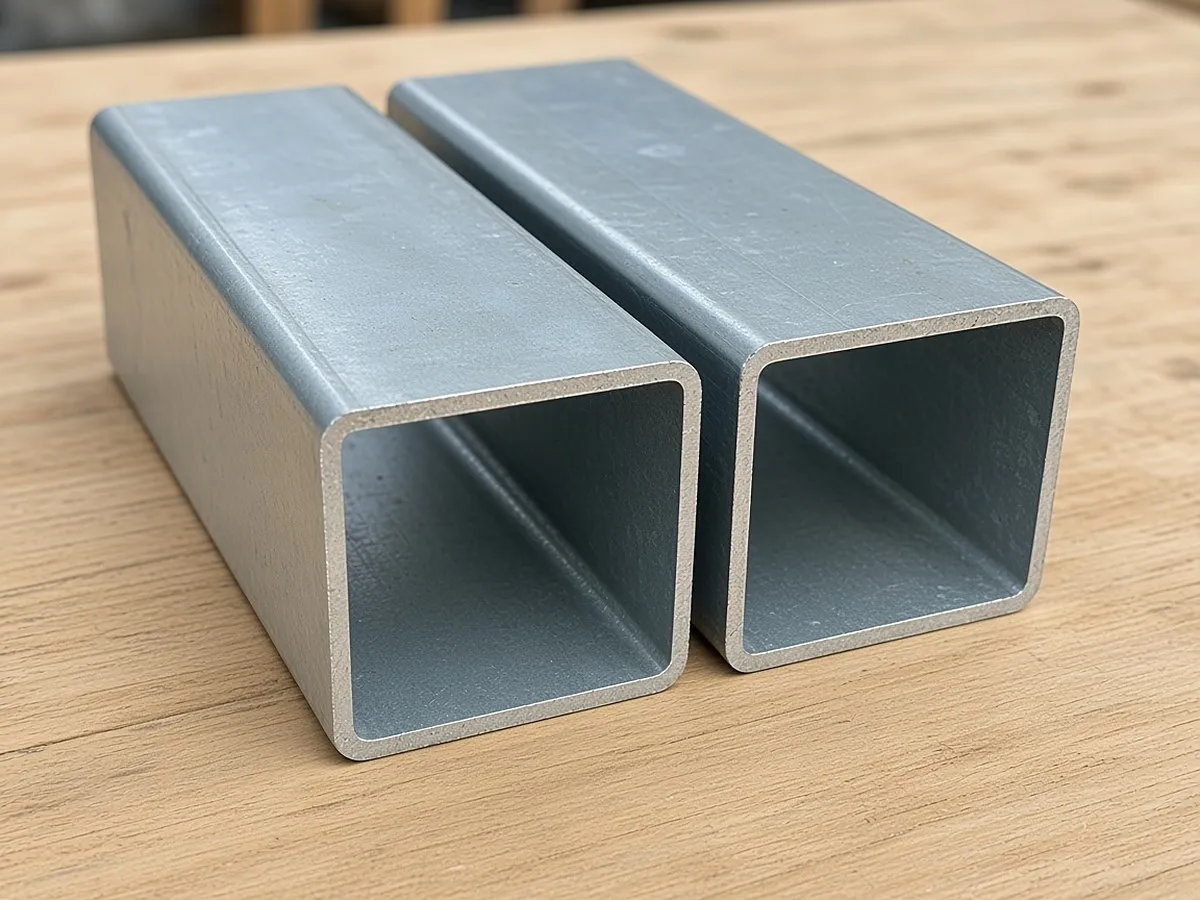
Thickness is the part people cannot eyeball. A micrometer will tell you the thickness of the steel. Check the framing and the panels against the gauge that is written on your order. That is a physical measurement, not a guess, and it is the most direct way to confirm you received what you paid for.
Have a copy of the order with you. If you have to make a call, you want the paperwork in hand, not a memory of what you thought you bought.
What If the Steel Does Not Match the Order?
Inform the person that sold it to you. That is the first call, and it should happen as soon as you have a measurement that does not match the paperwork.
The reason the entire order needs to be spelled out is so this conversation has a starting point. If the gauge, the color, the size, and the openings are on the order, you are not arguing from a sales pitch. You are comparing a delivered building with a written document. We want the entire order in writing for exactly that reason.
Do the check when the building arrives, not weeks after it is up. The sooner you raise a discrepancy, the sooner it can be addressed.
What Specs Besides Gauge Should You Verify?
Gauge is the question that brought a lot of buyers to this topic, but it is not the only measurement that can catch a customer off guard.
We had a customer who did not have a gauge problem. They had a height problem. We explained that the rough height inside the building was 2.5 ft higher than the eave height. The customer went and bought prefab shelving anyway, and it created a big problem. There were other things they were not prepared for, and they had to change the shelving around to make it work. Ultimately, the customer did not listen to what they had been told.
Eave height is not the same thing as the height inside the building at the center. If you are buying shelving, a lift, or anything else that has to fit inside, work from the interior dimensions you were given, not from the eave height alone. We will tell you the difference. Take it seriously before you buy the furniture.
How Long Do You Have to Report a Workmanship Issue?
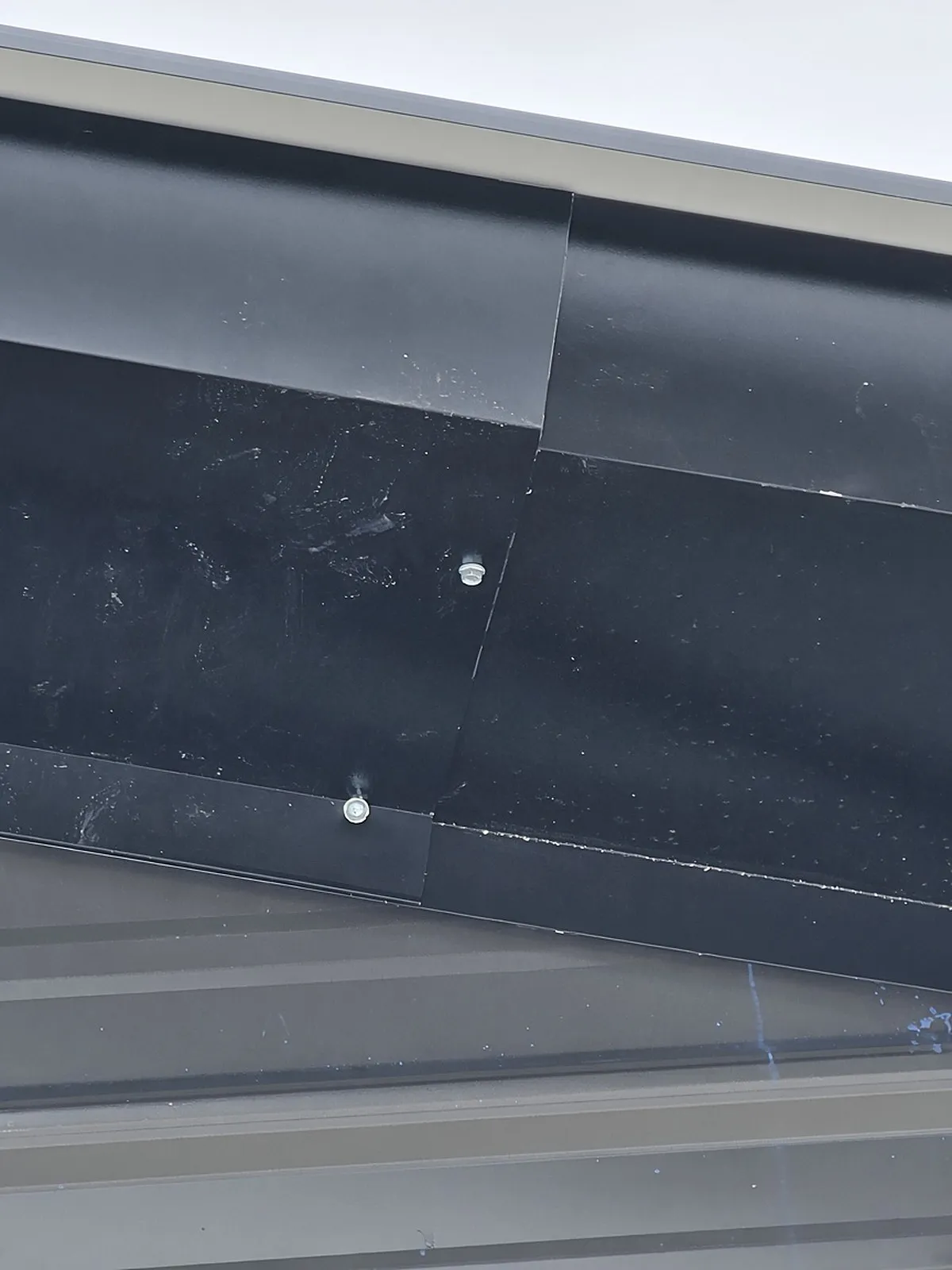
Some manufacturers only offer a 30-day workmanship warranty. You need to be looking for leaking within those 30 days and keeping track of it. That is a short window, and it is why we tell customers to pay attention early. We're a dealer that works with multiple manufacturers, so the warranty depends on the manufacturer, and component (materials) warranties are different from workmanship warranties.
The manufacturers are generally pretty easy to work with even after those 30 days. That has been our experience. If your manufacturer has a 30-day workmanship window, treat those first 30 days as the time to inspect the building, watch for leaks, and document anything that does not look right.
If you are comparing dealers, ask what the workmanship coverage is and how long you have to report a problem. Then put the entire order in writing, and on delivery day, check the color and measure the steel.
Tell us the building you want and how you plan to use the interior. We will put the specs in the order and walk you through what to check when it arrives.
 The full guideSteel Buildings vs. Pole BarnsAn honest comparison of steel buildings and post-frame pole barns for workshops, garages, and ag buildings — including when a pole barn is the better call.