Kits vs installed · 3 min read
What Equipment Do You Need to Safely Erect a Steel Building Kit?
Standing up a steel frame is a lifting job, not a framing job. What a crew uses to unload, hoist, and set the building, and the safety rules that go with it.
Part of the Factory-Installed vs. DIY Kits
Quick answers
- What does it cost to have a steel building erected?
- Erection labor and equipment are most of the gap between a kit price and an installed price. See Steel Building Kit vs Installed Cost for how that gap breaks down.
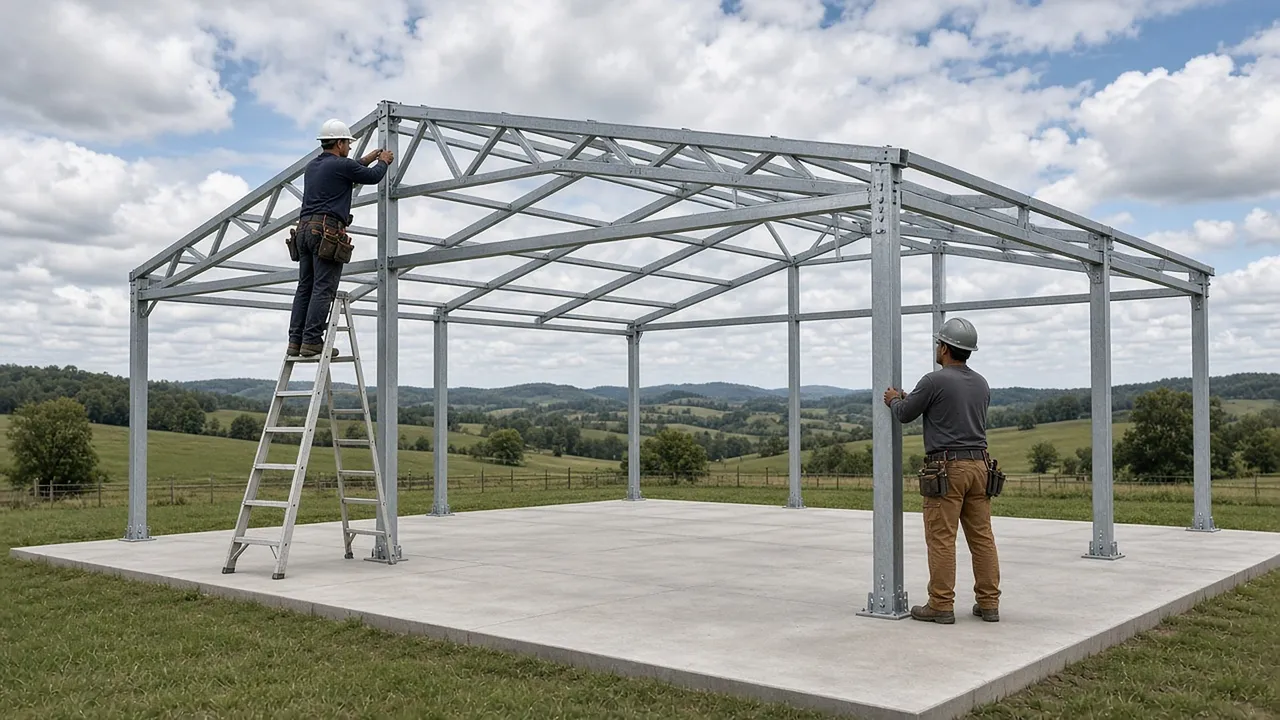
A steel building doesn't go up like a wood-framed shop. The columns and rafters have to be hoisted, held, and braced before anyone lets go of them. That's a rated machine, a qualified operator, and a plan for keeping people out from under the load. If you're a contractor, mechanic, or farmer pricing a shop-sized kit to put up with your own people, this is the part of the job that decides whether that's a reasonable plan.
This post is about the lift. If the question is whether you should be doing the whole build yourself at all, that's Can You Assemble a Steel Building Yourself?.
This is a lifting job, not a framing job
Experience with wood framing helps with layout, fasteners, and working from drawings. It does not tell you how to get a steel rafter in the air. Published equipment guides put a 16-foot agricultural column at about 200 to 250 pounds, and rafters on a 60-foot-wide building at about 500 to 700 pounds (Rhino Steel Building Systems). A shop in the size range we install, buildings over $30,000, lives in that world or a heavier one. Those members are not walked up a ladder, and they are not a favor a neighbor does with a pickup and a rope.
The risk isn't just dropping a piece. An unbraced frame can rack or come down after it is already standing. That is why the lift and the temporary bracing are one job, not two.
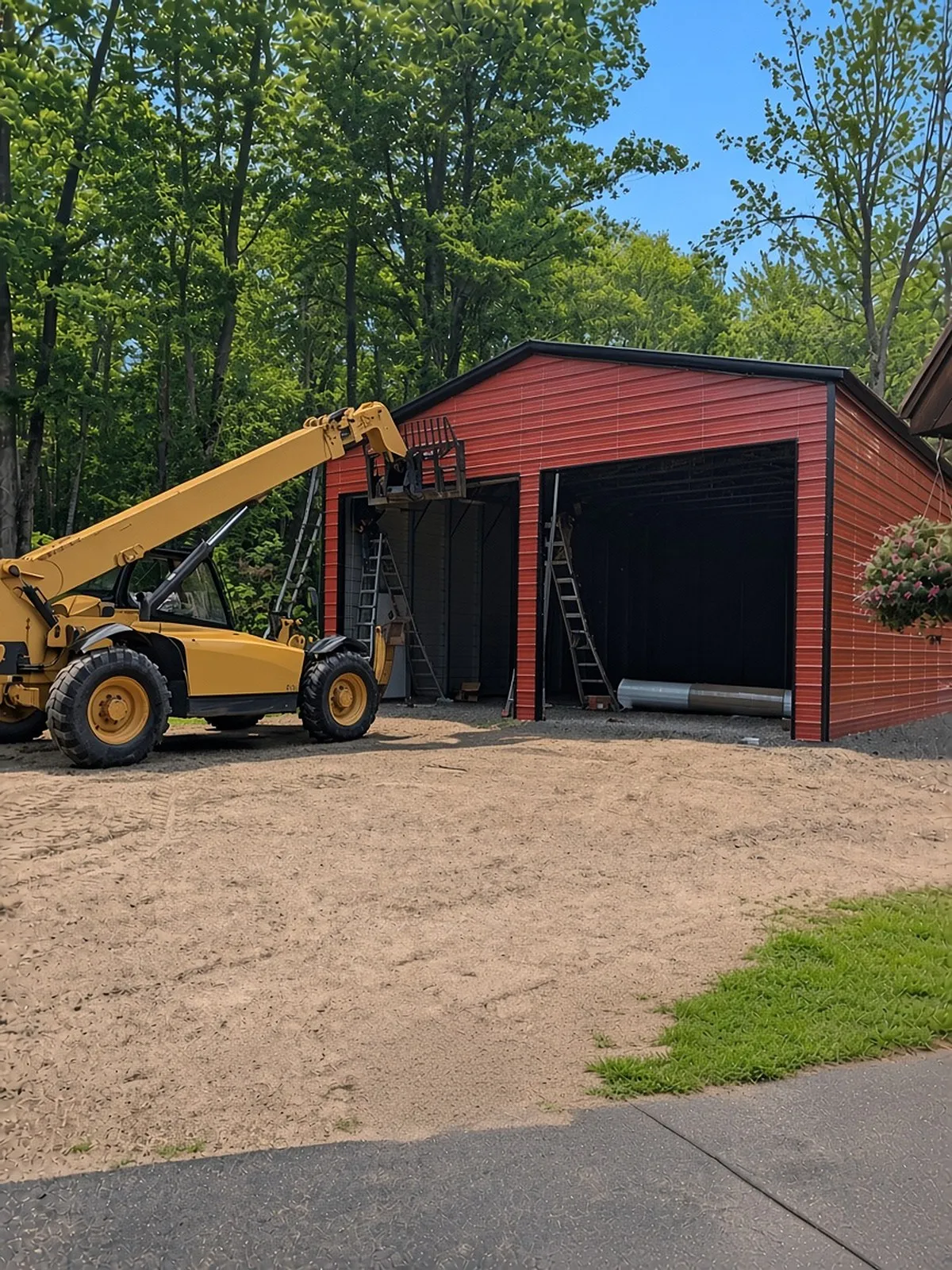
Equipment by task
Think in three jobs, not one machine.
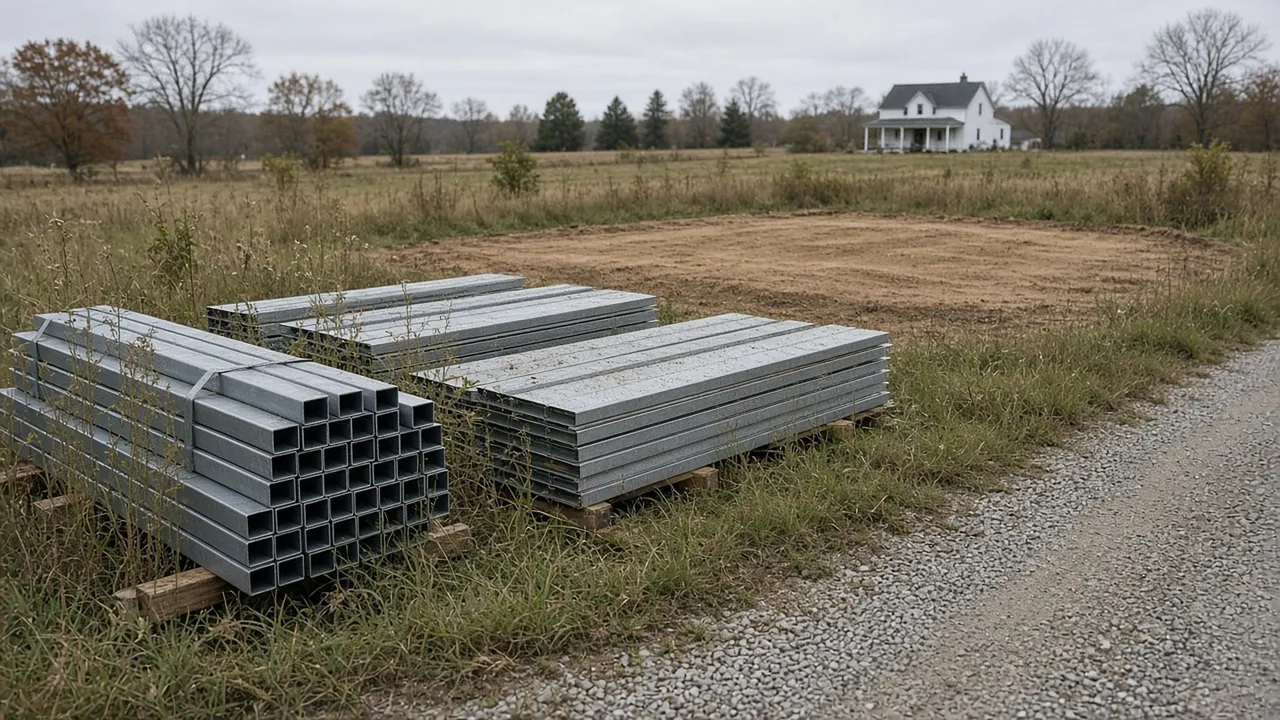
Unloading the truck. The bundled steel has to come off a flatbed and get staged without bending panels or twisting frames. One widely cited guide puts a practical minimum around 3,000 pounds for unloading, and says members longer than 25 feet may need two machines (Rhino).
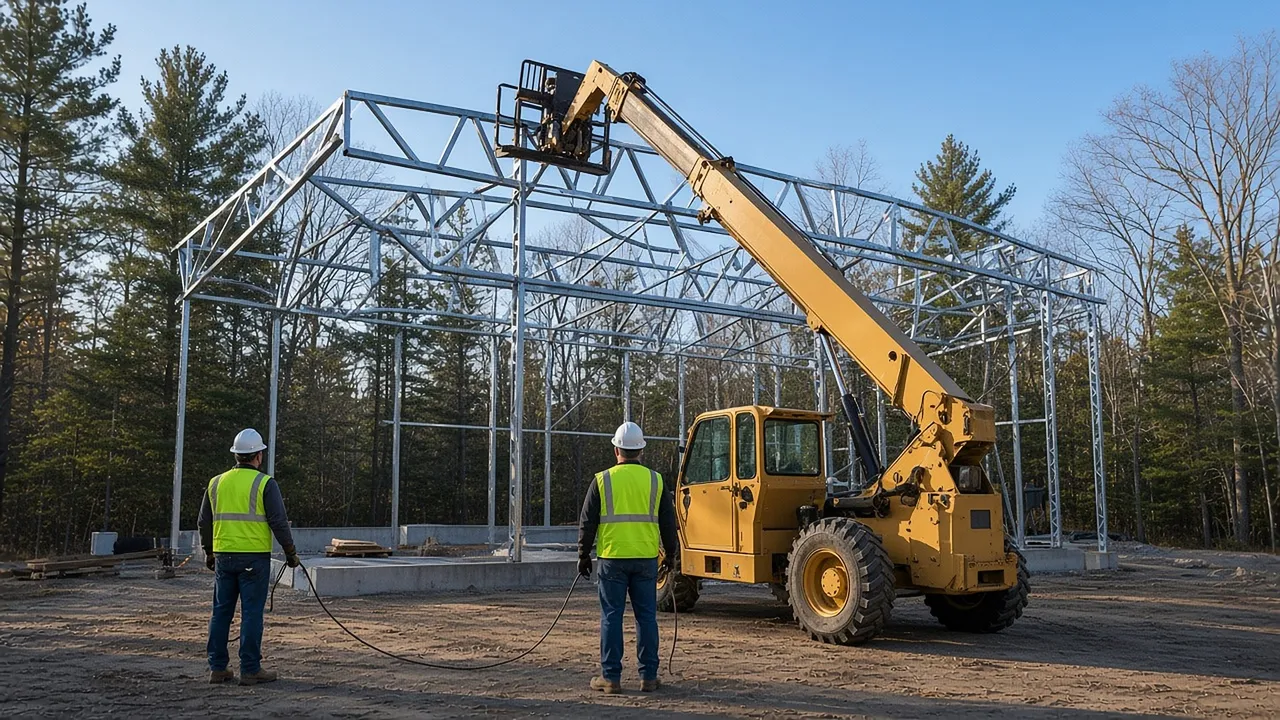
Hoisting and setting the frame. This is a telehandler or a crane, rated for the heaviest piece at the reach you actually need, with construction-grade nylon slings. Wire-rope slings can damage the steel (Stevens). The machine has to be on firm, level ground, and the operator has to be qualified on that machine, not "someone who has run a forklift at the farm."
Work at height. Wall panels, trim, and roof work need a scissor lift or a boom lift. The machine that hoists the rafter is not a personnel platform.
A tractor, a pickup, or a rope is not a substitute for any of those three.
The safety rules that actually apply
In the United States, when a telehandler hoists a suspended load, OSHA treats it as a crane. That comes from the steel-erection standard, 29 CFR 1926.753 (Subpart R). It calls for a competent-person inspection each shift, a qualified operator, and no one riding a hook. People on the ground stay out of the swing radius and out from under the load. Anyone working above the slab needs fall protection.
We're not publishing a full erection sequence. The fabricator's drawings and those OSHA rules are the documents that govern the work.
If you don't have that equipment, that operator, and that discipline on site, you don't have a safe way to set the frame.
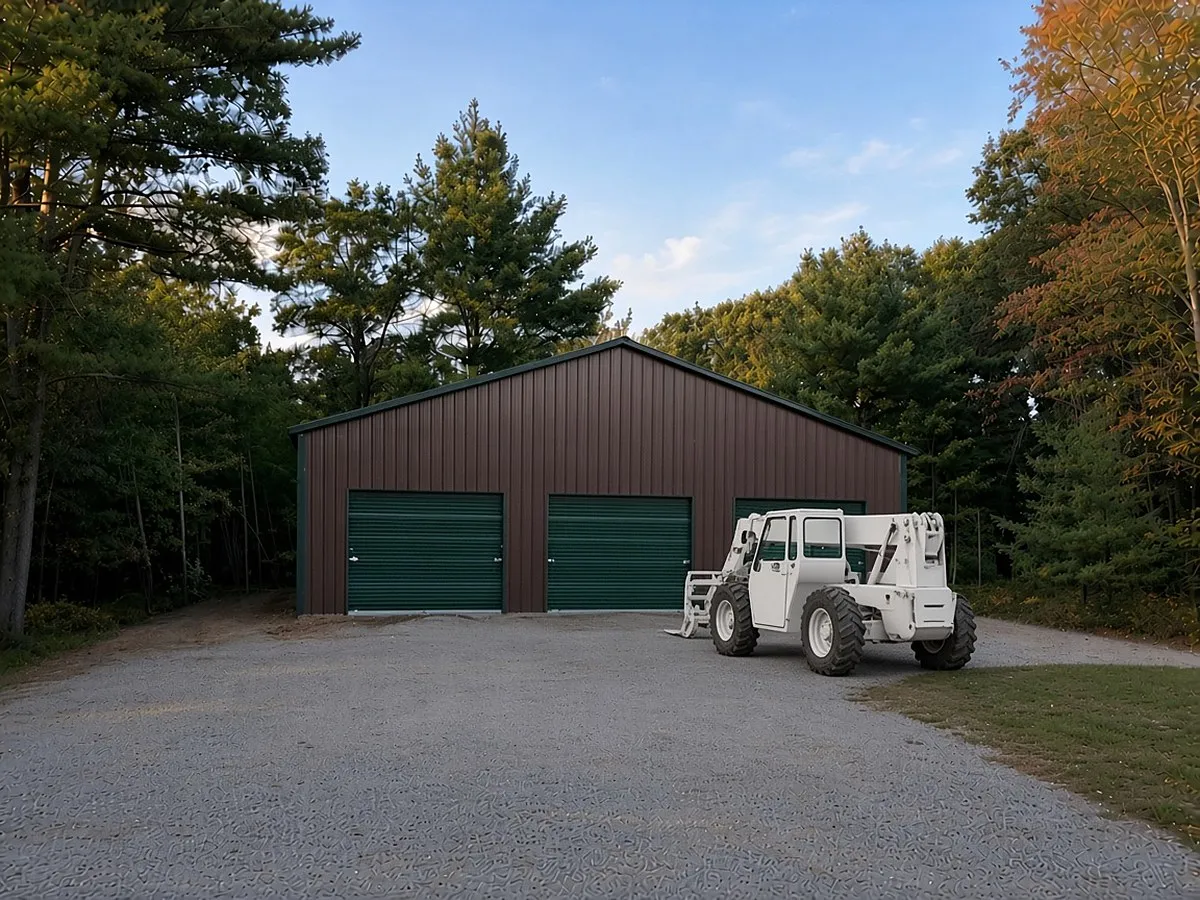
Why we sell the building installed
Hightower is an install-only dealer. We don't sell kits, and we don't hand a customer a flatbed and a hope that the lift will work itself out. The crew that shows up brings the machine, the rigging, and the habit of bracing the frame before they let go.
If you already have a kit and you're trying to figure out the lift, be honest about the equipment you can actually put on the site. If you can't, the safer path is to hire an erector who can, or to buy the building installed.
Bottom line: standing up steel is a lifting-and-bracing job. If you can't put a rated telehandler or crane, proper slings, and a qualified operator on the site, this isn't a DIY lift.
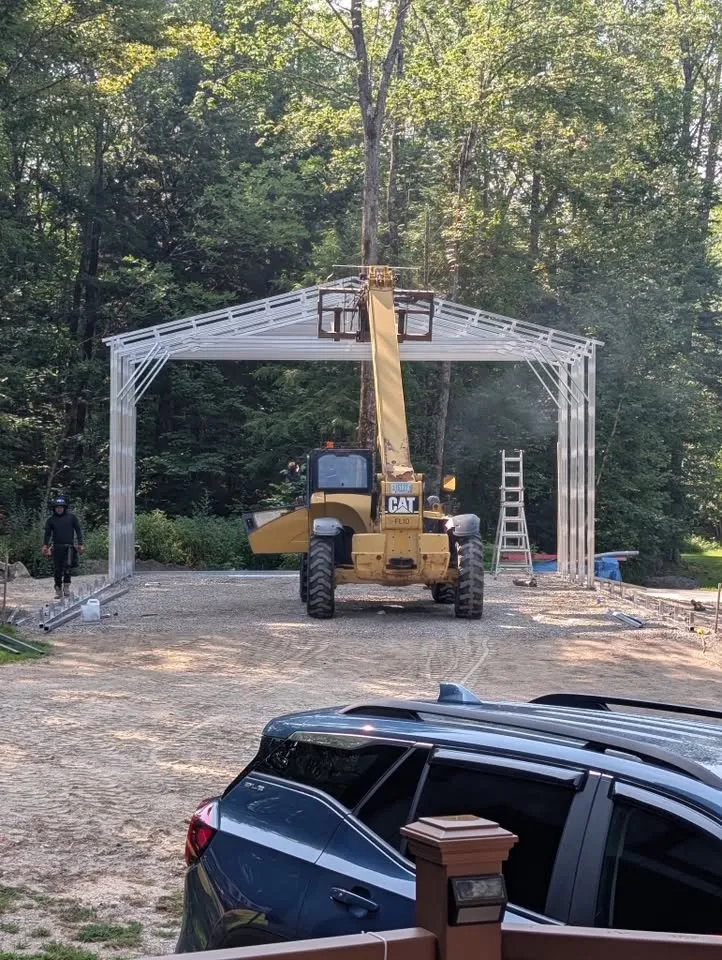 The full guideFactory-Installed vs. DIY KitsA fair look at steel building kits vs. professional installation: real savings, risks, warranties, and why Hightower is install-only.